Everthing You Need to Know About Sweda Food Dehydrator

Monday, August 3, 2009

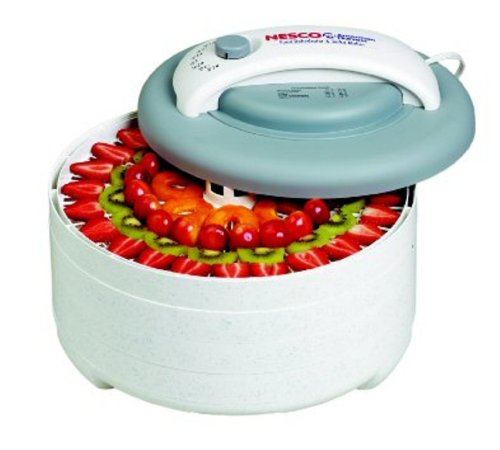
Nesco American Harvest FD-61 Snackmaster Encore Dehydrator and Jerky Maker

This convenient dehydrator makes great tasting, healthy snacks & jerky! Introducing the Snackmaster?? Encore???. It's Grey top and marbled design features 500 watts of drying power, and generates maximum speed and quality for dehydrating fruits, vegetables, beef jerky, and venison jerky. Helps dry food in hours, not days like ordinary food dehydrators. The top mounted fan eliminates the worry of liquids dripping into the the heating chamber!You can make delicious beef jerky, turkey jerky, fish jerky, trail mix, homemade yogurt, apple snacks, banana chips, dried soup mixes, dried tomatoes, watermelon, cantaloupe, honeydew, mangoes, papaya and other dried fruits at a fraction of the cost. Make dried herbs and spices; also make potpourri and dried flowers for any occasion.


There are certain flavors that just go together, peanut butter and chocolate for example. Another combination of flavors that makes a perfectly happy marriage is honey and barbecue.

These two flavors have created an uproar in the kitchen with chefs churning out by the masses menu items featuring items drenched in honey barbecue sauce: wings, burgers, steaks, chicken breasts, chicken strips, ribs and more. But the honey barbecue sauce can also make for a very good dry treat!

Honey barbecue beef jerky is a popular homemade jerky flavor to make. Sure, there are plenty of honey barbecue sauces available on grocery store shelves from brands like Ken's, Heinz and Kikomon. But, there are also some sweet and tangy recipes for a honey barbecue marinade that is perfect for slapping on beef jerky. Here is one that we found and enjoy:

Ingredients:

3/4 c honey

1/2 c ketchup

1/4 c butter (1/2 stick)

1 tbsp vinegar

2 tsp Dijon style mustard

2 tbsp brown sugar

1 tbsp soy sauce

1 clove garlic, put through a press

chili powder optional, use to taste

1 lb of meat

Directions:

1. Slice meat in thin strips.

2. In a bowl, combine all ingredients of marinade and mix well.

3. Simmer ingredients for about five minutes. Let cool.

4. Place meat 3-4 layers deep in a container, spooning sauce mixture over each layer.

5. Cover tightly and marinate 6-12 hours in the refrigerator, stirring occasionally.

6. Layout on trays, 24 to 36 hours in dehydrator (or follow directions for oven).

When done, the honey barbecue flavor will have been absorbed in every thread of the meat, giving the jerky a lovely blend of that honey barbecue taste our tastebuds have grown to like.

REVIEW: Not sure that you can make it on your own?

The Jerky Outlet offers an amazing honey barbecue turkey jerky. This is a little different than beef jerky, as it is more of a stick snack, which will need to be refrigerated once open. There is more of a honey flavor than barbecue to it. The jerky is also very soft and a little juicy since it is more of a snack stick, and that can be a nice break from the chewy jerky. This is a very good product and comes in a one pound package for $16.99. So it is a little on the pricey side. Try making your own!

If you found this information on honey barbeque beef jerky useful, you'll want to read this article about buy beef jerky online.

dehydrator

Friday, July 17, 2009

Trail Food: Drying and Cooking Food for Backpacking and Paddling

PCKT GD WILDRNESS MED & 1STAID


    After you have harvested your vegetables you might not be sure what you should do with them. Even a large family will have a hard time eating a steady supply of fresh organic vegetables. The way to avoid wastage is to store your vegetables in your home.

    It is true that some vegetables are easier to store than others but most organic vegetables can be stored and saved in some way or another.

    There are actually many ways to store your harvest so do not get frustrated if you feel that you have grown more than you can eat. Many grocery stores sell mason jars and supplies needed for making preserves and canning vegetables along with instructions on how to do this. The same stores sell cheesecloth which is great for placing vegetables on when drying if they are air drying.
    Food dehydrators can also be used for drying your vegetables along with your oven. When using an oven to dry vegetables set it for the lowest setting, usually 140 degrees, and watch carefully to make sure the vegetables are drying out and not roasting.

    Lettuce

    Once you have harvested all of your lettuce you can wash it, remove the core, and pat it dry with a towel. When you have finished store it in a plastic bag and put it in your refrigerators crisping section. This will help your lettuce remain crisp for up to a week.

    Since it is harder to store vegetables for a long period of time it is recommended that you harvest your lettuce and start using it even before it has reached full growth. When it has reached full growth use what you can, store what you can use, and offer the rest to friends and family members. They will appreciate some fresh organic salad to use in their salads or to place on their sandwiches.

    Root Vegetables

    Root vegetables can often store longer than the other vegetables you harvest as long as they are harvested on time and correctly. Make sure your vegetables have not been bruised or damaged during the harvest. If they have been damaged throw them away since the spoilage can spread if you are not careful.

    Many root vegetables such potatoes, carrots, sweet potatoes, and more can be stored in a cool, dark, dry place such as a root cellar or some pantries. Other root vegetables (carrots) can be dried with a food dehydrator or even in an oven set to a very low heat setting. Some vegetables such as turnips can even be stored in a refrigerator crisper, especially if they are going to be used soon.

    Tomatoes

    There are many ways to store tomatoes and that is a great thing since tomatoes are popular with many organic gardeners. Tomatoes can be stored well on a counter top or in a window sill if they are still a bit green. They can also be stored in the refrigerator.

    Some people will dry tomatoes for later use in sauces or even preserve them. Tomatoes preserves either sweet preserves with ripened tomatoes or pickle preserves with green tomatoes can be a winter time treat.

    Onions

    Onions will store wonderfully in any dry, dark place. As long as the onions have not been bruised and have no sign of moisture they can be stored in a pantry or attic for a long time.

    Beans and Peas

    Beans and peas can often be harvested as needed but once it is time to store them there are several methods that can be used. Peas and beans can both be stored in bags in the refrigerator for several days. They also can be canned with the proper equipment. Beans can also be dried which is a popular way to store them. Once beans are dried and bagged they can later be soaked and cooked.

    Corn

    Corn can be stored in the refrigerator or, once the husk is removed, frozen for a long time. The kernels can also be dried, stored, and creamed at a later date.

    Learn about the redbud tree and the weeping cherry tree at the Tree Facts site.

    dehydrator

    Sunday, July 12, 2009

    Mary Bell's Complete Dehydrator Cookbook

    A guide to food dehydrating shows readers how to make preservative-free dried apple rings, candied apricots, beef and fish jerkies, sun-dried tomatoes, corn chips, herb seasonings, dried fruit sugars, and more. 100,000 first printing. Tour.


    Dreaming of making some of your own beef jerky at home but don't want the hassle, so you go out and buy some? Yikes, the price is enough to make you change your mind about making it right? No worries, we have the best beef jerky recipes that will whet your appetite and save you some change too.

    It's not as hard as you might think it is. Yes, it takes some time, but the results are well worth it. So, grab a pencil or just print this page out and you are good to go.

    This beef jerky recipe is a favorite of many beef lovers and lends itself to many variations on the recipe we have here. You will love this because you can pack it anywhere. Just watch yourself around dogs though or you will become a magnet.

    Your choice of cuts is the ticket here, so if you like Sirloin or London Broil, then go for it. Make sure you pick a lean cut though with as little fat as possible. This helps speed up drying time. The next thing you want to do is cut your meat up into very thin, thin strips, say about 1/8" thick. You could have them thicker, but it will slow down drying time.

    Hints: ask the butcher to do this for you or in the alternative partially freeze it at home before slicing.

    Once you are ready to cut the meat, if the butcher didn't do it for you, cut it with or against the grain. With the grain is way easier to chew, but that is up to you. If you like it REALLY chewy go against the grain. Cut the fat off, as fat does not dry.

    Ok, next you need to marinate the meat. You can make your own or buy some from the store. Our suggestion is you use sea salt (that way it won't toughen the meat) and cider vinegar for that tangy flavor. You can leave it as little as four hours, but we seriously suggest going for 24 hours for the best results.

    Most of the best beef jerky recipes use marinade, but some people consider marinating optional, because it can make the meat wetter and slow down drying and make the jerky stickier. This is personal preference, and you may choose either way depending on what you prefer. When this stage is done, coat the meat with the spices your like, spray the racks of your dehydrator with non-stick cooking spray and pop them in with enough room around the pieces to let the air flow properly. Try not to let the meat touch.

    There you have it. Now all you have to do is wait, check, watch, check again and in about 6 to 12 hours you will have beef jerky that your neighbors will visit you to sample.The trick here is to check it regularly after about 6 hours to test it for the consistency you want. You may have to test cut slices to make sure it isn't raw inside. It should be a deep red or burgundy color when done.

    If you are looking for more of the best beef jerky recipes around then take a look at our list of free beef jerky recipes. If you like spicy food then you are going to love our spicy beef jerky recipe. Or if you have a dehydrator at home then view our dehydrated beef jerky recipe for a quick and easy way to make jerky at home.

    dehydrator

    Saturday, July 11, 2009

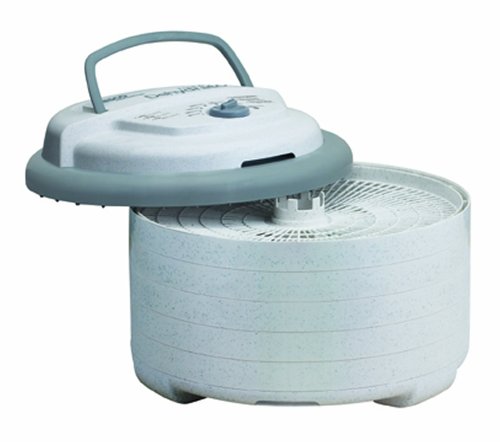
    Nesco American Harvest FD-75PR 700-Watt Food Dehydrator

    The NESCO Professional Food & Jerky Dehydrator has more power than most dehydrators -- 700 watts -- which means faster drying time. You will have results in hours, not days. The top mounted fan with patented Converga-Flow action pressurizes air downward through the outer ring and horizontally across each individual tray, converging at the center, for fast, even drying. No need to rotate trays. The adjustable thermostat allows you to dry different foods at proper temperatures (95-155 F), providing the flexibility to produce the best drying results. As your needs grow, the Professional Food & Jerky Dehydrator can be expanded up to 12 trays.


    Many people want to make oven beef jerky because they either do not have or do not want to buy a dehydrator. Below you will find an easy to make and great tasting beef jerky recipe and all you need is your oven, some meat and a little bit of spices. You will have great tasting jerky in no time!

    Our recipe calls for flank steak and the first thing you will need to do is cut it. However, before you try to cut the meat, make sure you put the meat in the freezer for half an hour because it will make it much easier to cut. Cut the meat into a quarter inch strips and make sure to cut the meat across the grain.

    Next you will need to get the following ingredients:

    1 Clove
    4 tb Lemon Juice
    1/2 c Honey
    Pepper
    Salt
    1/2 c Soy Sauce

    Mix all ingredients together and them place the meat into the marinade. Let this sit for at least 2 hours and a little longer if you are not in a hurry. Better yet, place it in the refrigerator over night to let it really marinate nice and good.

    After your meat has had time to marinate, it is time to cook it. Take you meat slices and place them on a rack in a pan. Place the pan in your over and cook at 150 degrees for about 8- 12 hours. After eight hours you will want to start checking the jerky to make sure it is not overcooking.

    When the meat is done is should bend but not break. You want to make sure it is not still wet and has dried out to a good level. If it breaks, you cooked it too long so make sure and adjust the cook time the following time you make your over beef jerky. Now sit back and enjoy your beef jerky.

    Want to get even more free beef jerky recipe? Come on over to our beef jerky recipe site where we have a long list of jerky recipes for you. One of our favorites is our ground beef jerky recipes and our spicy beef jerky recipes. Come see what we all have to offer.

    dehydrator

    Wednesday, July 8, 2009

    Just Jerky : The Complete Guide to Making It

    Here's the do-it-yourself guide to making your own jerky in an oven, smoker, or food dehydrator with strips or ground beef, venison, poultry, fish and even soy protein.


    Drying and preserving your fresh garden herbs is a simple and inexpensive way of having herbs readily available for your needs through out the year. Drying herbs can be preformed by two methods. Air drying or with the assistance of a dehydrator. Both methods work well under two different circumstances.

    Air drying works best with herbs that don't have a high moisture content like, dill, oregano, rosemary and thyme. letting these types of herbs dry naturally with the air method helps to preserve the oils in the plant. Herbs like, basil, chives and mint have a higher moisture content and can be dried with the assistance of a dehydrator.

    When air drying herbs you want to do it in an area that is dry, warm, dark with low humidity and well ventilated. The ideal temperature for air drying is sixty eight degrees Fahrenheit. If you don't have a dark area available you can simply cover the herbs with brown paper bags and punch holes through the bags to allow for ventilation. Under the proper conditions it can take anywhere between one and three weeks for your herbs to dry.

    Harvesting of herbs needs to be done before the plants starts to flower. If you have been harvesting throughout the growing season there is no need to worry about the plant turning to seed. This happens at the end of there growing season. Late summer is a good time to start harvesting. You want to start before the cool weather starts.

    The best time of the day to harvest is in the mid-morning. This leaves time for the morning dew to dry from the plants.

    A environment friendly and healthy way of gardening. Organic Gardening is away of gardening in harmony with nature. Growing a healthy and productive crop in a way that is healthier for both you and the environment.

    John Yazo

    http://www.organicheirloomgardening.com

    dehydrator

    Nesco American Harvest FD-61 Snackmaster Encore Dehydrator and Jerky Maker

    This convenient dehydrator makes great tasting, healthy snacks & jerky! Introducing the Snackmaster?? Encore???. It's Grey top and marbled design features 500 watts of drying power, and generates maximum speed and quality for dehydrating fruits, vegetables, beef jerky, and venison jerky. Helps dry food in hours, not days like ordinary food dehydrators. The top mounted fan eliminates the worry of liquids dripping into the the heating chamber!You can make delicious beef jerky, turkey jerky, fish jerky, trail mix, homemade yogurt, apple snacks, banana chips, dried soup mixes, dried tomatoes, watermelon, cantaloupe, honeydew, mangoes, papaya and other dried fruits at a fraction of the cost. Make dried herbs and spices; also make potpourri and dried flowers for any occasion.


    Few things are more embarassing to a backyard grillmaster than running out of gas in the middle of a barbeque party. We've all been there before. You've got everything running smoothly and your guests are munching on hot dogs and burgers while they wait for the steaks. You take a swig of your beer and then look down to see your grill flames have gone out. You're out of propane!

    Hopefully you have another tank of fuel in the shed or the garage. It's embarrasing enough to have to scurry around swapping out the old propane tank for a new one in the middle of a party. What's worse is having to run out to get a new one while your guests stand around with grumbling bellies. Besides, you've already thrown off the cooking time of the meat on the grill so you'll never get it "just right" now.

    Don't you think its time to ditch the clumsy propane tanks and go with a natural gas barbeque grill? Natural gas grills have many advantages over propane. You'll never run out of gas again. No more running out of fuel right in the middle of a big cookout. Also, natural gas is cheaper. Depending on where you live, you could save 50% or more by switching to natural gas. And natural gas barbeque grills are cleaner and better for the environment.

    Just about any propane grill can be converted to natural gas. All you need is an inexpensive conversion kit that you can get from the manufacturer or a third party retailer. Basically all you have to do is change the regulator. Then all you need to do is run a gas line from your house into your backyard. This is a job for a professional. Running a gas line to your deck or patio isn't something you should do yourself unless you are a qualified contractor. Just contact your gas company and ask for some referrals. It's a simple job that should only take a couple of hours and won't be too expensive. And once it's done you'll never have to worry about running out of gas during a cookout again.

    Want to impress your friends and family with the most delicious BBQ ever? Check out http://How-To-Barbeque.com for more barbeque tips from the pros.

    natural gas barbeque grill

    dehydrator

    Wednesday, July 1, 2009

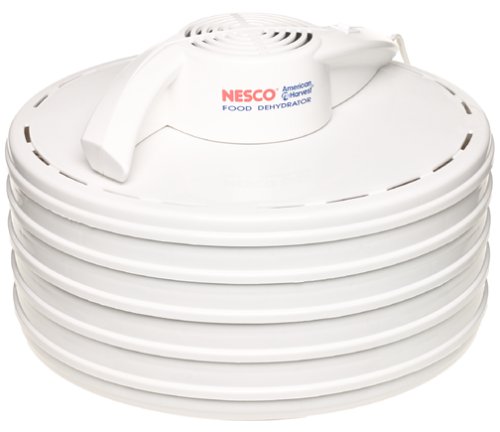
    Nesco American Harvest 5-Tray FD-35 425-Watt Snackmaster Dehydrator

    This unit features Nesco/American Harvest's innovative Top Mounted Powerhead that dries food quickly and evenly with superior results. Detaches to make dehydrator dishwasher safe for easy clean up. Fan-Flow Technology means faster, more even drying with no tray rotation necessary. Perfect for the beginner.


    Ethanol is a biofuel. Biofuels are basically alternative energy sources made from living matter. Unlike Fossil Fuels, such as oil, which come from nonliving materials. Although it sounds like a great idea on the surface many countries are experiencing rising grocery costs as Ethanol production mounts. But why is this and does it affect you?

    The most commonly used type of biofuel today is called E85 which is a blend of gasoline and ethanol. Basically it is 15% gasoline and 85% ethanol. The ratio of this mixture is adjusted according to weather temperatures, so during Winter months it takes more gasoline in the mixture to operate.

    Now if everyone could afford a vehicle which used E85 this would be a huge step in reducing or reliance on oil. But the truth is many of us cannot and the vehicles and E85 stations are not being promoted to the public.

    But the real problem with E85 and Biofuels comes from the fact that the production is causing food shortages which raise your grocery bill. But how is this?

    The start of this chain reaction from producing biofuel is corn. Corn is the primary food from which Ethanol is produced. And since farmers raise this crop there is only so much land for it to be grown on. And while supply for corn has grown the farmers struggle to keep up.

    With this increased demand corn has become very profitable to grow. Farmers are sacrificing growing other products such as Soy and Wheat to have more land to grow corn. So instead of a shortage of just one crop, Corn, we now have a shortage of three, Corn, Wheat, and Soy.

    These are staple crops. Meaning that many of the products you buy everyday from the Grocery store is produced from these. Resulting in raising your grocery bill and a shortage of food that is distributed to the poor and underdeveloped countries.

    An alternative to biofuel and rising grocery bills is available. Water. The most abundant natural resource on the Planet.

    With an inexpensive and easy to install kit your everyday vehicle can achieve increased gas mileage ranging from 30 percent to 50 percent and more. This is achieved by using a small electrical current from your battery to release Hydrogen gas from water. This is then mixed with your vehicle's fuel/air mixture.

    To see how this incredible alternative energy source can benefit you and save you money at the fuel pump and help combat rising grocery costs please visit http://www.water-as-gas.com

    dehydrator

    Saturday, June 27, 2009

    Just Jerky : The Complete Guide to Making It

    Here's the do-it-yourself guide to making your own jerky in an oven, smoker, or food dehydrator with strips or ground beef, venison, poultry, fish and even soy protein.


    In this article you will find some great hard to find cleaning
    and cooking tips, You can Copy and print for quick future references.

    CLEANING TIPS
    Before washing, it is essential that all stains be removed.
    Sometimes Soap or hot water will set a stain and make its removal
    impossible.

    WARNING: DO NOT MIX BLEACH AND AMMONIA TOGETHER, THE FUMES CAN
    BE DEADLY.
    Commercial cleaning supplies can aggravate your allergies and
    have long terms effects on your health. You can save on your
    house cleaning bill with very good results using less toxic
    substances.

    Ammonia - cuts grease, cleans windows, Strip wax off floors.

    Baking soda - cleans, deodorizes, polishes, and removes stains.

    Bleach - whitens practically anything, removes mould and
    mildew.

    Cornstarch - cleans and deodorizes carpets and rugs.

    *Rug Stains: Use a solution of half water, half white vinegar.

    Shirt or blouse stain: Just a little of water and cornstarch
    will remove.

    *Grass stains: Dampen stain with cold water, and rub with plain
    bar soap. (One without moisturizers). The stain should come
    right out. Then wash normally.

    *Toilet bowl: use tang, or sprinkle baking soda into the bowl.
    Drizzle with vinegar. Scour with toilet brush. Cleans and
    deodorizes

    Berry Stain: Place the stained part over a pot and pour boiling
    water over it from a height of about 2 feet so as to strike the stain
    with force. Plunge the stained part up and down in the hot water
    until the stain is removed. If stain is persistent, use Javelle water.

    Peach Stains: are not easy to remove. Be careful not to wipe
    hands with peach-stains on a good napkin, towel or apron. Stretch
    stain over a pot of hot water and apply javelle water with a
    medicine-dropper. Do not allow it remain too long in contact with
    the fibres. Javelle water rots even cotton and linen. Apply
    oxalic-acid solution to neutralize the alkali and rinse thoroughly
    in hot water. Several applications may be necessary.

    Tea And Coffee Stains.
    Follow the same procedures as for berry stains above.
    Blood and Meat-Juice.

    Never put in hot water as that sets the stain. Soak at once in
    cold water. Rub with soap and wash. A paste of raw starch mixed with
    cold water will remove these stains on flannel, blankets, and heavy
    goods. Repeat until stain disappears.

    Egg-Stain:

    Wash in cold water, then warm water and soap.

    Mix 50-50 water, white vinegar. Great for stubborn carpet
    stains.

    LIGHTSIDE
    A man is driving up a narrow mountain road. A woman is driving
    down the same road. As they pass each other the woman leans out
    her window and yells, PIG!

    The man leans out his window and yells, STUPID!
    He keeps driving up the Mountain, comes around a corner, and
    smashes his car after slamming into a pig in the middle of the
    road.

    Wood Furniture; To remove water stains, dab white toothpaste
    onto the stain. Allow the paste to dry and then gently buff
    with a soft cloth

    COOKING TIPS, INFORMATION
    WARNING: DEEP-FRYING CRAZE
    People can do themselves serious injury attempting to
    deep-fry their turkey. In the past deep-frying has burned down
    houses and put cooks in hospital.

    Deep-fried turkey is juicy, and better tasting. However with
    this high risk method of cooking, besides the above, your turkey
    can end up charred by the resulting inferno.

    There is an advantage of deep-frying due to its speed. Cooking time is
    3 1/2 minutes per pound. A big turkey is done in less then an
    hour. If you are going to deep-fry your turkey use a commercial
    pressurized fryer, rather than vats on a stand.

    An uncovered pan with a rack in the bottom gives the best
    results in roasting. Cooking time varies with preference.
    For rare meat, 16 minutes per pound.
    For medium meat, 22 minutes per pound.
    For well done meat, 30 minutes per pound.

    Add salt during or after cooking, not before. The salt flavour
    does not penetrate more then 1 inch. If the meat does not reach
    the desired colour during roasting, increase the heat to (500 F)
    for a few minutes before removing from the pan.

    Methods of searing is subjecting the meat to a high temperature
    until it is nicely browned.
    By Browning in an uncovered pan in a hot oven (450 F-500F).
    By Browning in hot fat in a frying pan on the surface burner.
    By Adding boiling water and cooking at boiling temperature until
    the outside of the meat has lost its red colour.

    Reasons For Cooking Meat
    To develop flavour.
    To soften the connective tissue when present in large quantity.
    To kill any living organisms that may be present.

    To make meatballs of even size, spread mixture in an ice cube tray and press the
    divider down to separate meat into uniform squares.
    Take out divider and shape squares lightly into balls.

    Add a few drops of vinegar or lemon juice when making blueberry pie.
    Gives the flavour a pleasant lift.

    When it comes to food, healthy living, etc., generally the information
    apply to both Canada and The U.S.A.

    Canadas Food Guide to Healthy Eating and the Food Safety and Nutritious Programs provide guidelines for save and nutritious eating to help improve and protect your health.
    Visit www.hc-sc.gc.ca
    You will also find links to other sites in reference to food.

    Healthy Eating.
    www.hc-gc.ca/nutrition

    Food recalls and allergy alerts.
    www.cfia-acia.agr.ca
    or
    www.inspection.gc.ca
    Click on food recalls and allergy warnings.
    You can ask to be added to the automatic notification list.

    Health and Disease Prevention Information.
    www.canadian-health-network.ca
    While at it why not check out the Guide to Active Healthy living. Click on;
    www.paguide.com
    You will also find links to other sites in reference to food.

    I hope the above information will help you with some of your cooking
    and cleaning chores around your home.

    Disclaimer: The Author of this article is not responsible for accuracy or completeness nor shall he be held liable for any damage or loss arising out of or in any way related to the information or utilization of it.

    Article Source: Bruce Chambers sold his printing, publishing, mail order business and retired in 1980. He came on the Internet in 2003. He researched for 1 year, and then started a free monthly Internet marketing report, plus free monthly recipes, bar mixes, tips newsletters. At present he resells from his website.

    You can subscribe to either or both free newsletters by going to his web site. Please visit: http://www.cbestbuys.com

    dehydrator
    Friday, April 3, 2009

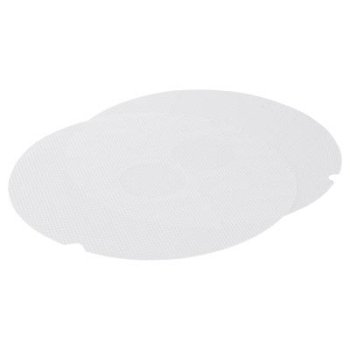
    Nesco Clean-a-Screen for Dehydrator Item# 168605, Model# LM-2-6

    Screen flexes to remove sticky fruits and jerky quickly and easily. Herbs and spices wont fall through tray spokes. Includes 2 screens. Dishwasher safe. U.S.A.


    Nowadays, oil companies seem to make it a habit of increasing the price of oil every week. How can Motorists keep up with these soaring prices of oil? Having a limited income makes it very difficult for us to keep up.

    In light of these new developments in the world market, people are finding ways to make their travel less costly. Some motorists tend to drive slowly because it saves them a liter or two of their gas consumption. Unfortunately, even though motorists find ways on how to save fuel costs it is still not enough because the price of oil still increases rapidly.

    In response to the increasing oil prices and other world crisis, motorists are exploring the best alternative for Gas. One of solution they have is running a car on water. Before the idea of a car that runs on water was not salable to most motorists but in light of the recent developments, there is a good chance that motorist will entertain any idea that would lessen their travel cost.

    In light of the recent crisis the world is experiencing, travelers would take advantage of anything that is available. Running car on water certainly is one way of making travel less expensive. The reason is that most of their income was used just to pay for their consumption of gas. People have other expenses that they have to think about, like food, rentals and many more. Giving them the best possible alternative would really lessen the burden and using water as a means of travel will definitely give them a bit of a breather in the rising cost of living.

    Do you want the best convert your car to water kit? Well I did the research for you, I bought the 6 most popular kits and tried out each one. I put the top 2 on my website with a Review: http://car2water.info - Don't get ripped off, I have seen many kits on the internet for over 1000 dollars. Think About all the money you will be saving each week if you buy one of these kits. I save 175 dollars a week on gasoline. If you would like to check out the best and most affordable kits Visit: Car 2 Water

    dehydrator

    Monday, March 30, 2009

    Nesco American Harvest FD-61 Snackmaster Encore Dehydrator and Jerky Maker

    This convenient dehydrator makes great tasting, healthy snacks & jerky! Introducing the Snackmaster?? Encore???. It's Grey top and marbled design features 500 watts of drying power, and generates maximum speed and quality for dehydrating fruits, vegetables, beef jerky, and venison jerky. Helps dry food in hours, not days like ordinary food dehydrators. The top mounted fan eliminates the worry of liquids dripping into the the heating chamber!You can make delicious beef jerky, turkey jerky, fish jerky, trail mix, homemade yogurt, apple snacks, banana chips, dried soup mixes, dried tomatoes, watermelon, cantaloupe, honeydew, mangoes, papaya and other dried fruits at a fraction of the cost. Make dried herbs and spices; also make potpourri and dried flowers for any occasion.


    There's nothing like a nice, ripe, delicious apple freshly picked from the tree, although the same might be said of garden fresh peas or a crisp, healthy carrot newly plucked from its earthen home.

    But why, then, do we allow those apples to fall from the tree and rot upon the ground? Why do we go to the trouble of picking all of those great looking, red, ripe tomatoes only to allow them to slowly spoil as they sit in baskets and pails carefully placed in kitchen or pantry? The standard answer is "too much crop and too little time."

    "When we can't even give them away to family and friends," we ask ourselves, "what else can we do?"

    Food storage might be an answer to that. Unfortunately, it takes a long, long time to cut, peel and prepare fruits and vegetables for canning, freezing or dehydrating; and that can be time that we don't have.

    The thing is, that time can be lessened. The old, wringer washers probably got clothes just as clean as do the new automatic washers, but who would willingly trade an automatic washer for those old, labor intensive machines even if those old appliances involved some initial cost savings? Similarly, cutting, dicing and peeling doesn't all have to be done by hand. There is a wide choice of tools and appliances to make those jobs much, much easier, and considerably quicker.

    Pressure canners cut down on time, and are environmentally friendly. The right juicer, used when needed, can end the rotting of apples upon the ground. The combination of a good blender and the right food dehydrator can have you making your own fruit leather and other snacks. It may be just a matter of doing some checking, choosing appropriately, and investing wisely in order for you to "waste not" and "want not" without crashing into that wall of "too little time."

    Even though you may have to open the pocketbook a little to get started, food storage really is a way of saving money by cutting down on grocery bills, and who would not want to do that in times of tight money and uncertain jobs? Food storage done wisely can also be much easier than what many envision.

    The author of this article is the webmaster for http://www.storeitfoods.com, a site providing tools and tips for those interested in a home, food storage program.

    dehydrator

    Saturday, March 14, 2009

    dehydrator

    dehydrator

    Drying or dehydrating vegetables is one of the oldest known methods of food preservation. The really great thing about it is that you can do it at home with equipment you have on hand.

    You should pick your produce at it's peak and work as quickly as you can to preserve its colour and taste.

    Prepare your vegetables as if you were going to serve them. Wash them well, trim, cut, chop, slice, whatever. Thickness will play an important role in how long your veggies take to dehydrate, so bear that in mind when preparing.

    Next you must blanch the vegetables. This will preserve the colour and flavour of the vegetable. Most vegetables have an enzyme that, left active, is what makes it spoil so quickly. Blanching the vegetables stops the enzyme action.

    Follow available guidelines for blanching (available at www.no-dig-vegetablegarden.com). Once blanched, chilled and drained, you are ready to dry or dehydrate your vegetables for long
    term storage.

    The Rules

    Of course, there are heaps of rules...but let's start here.

    There are three methods used to dry or dehydrate vegetables.
    Sun dried, commercial dehydrator or oven.

    Sun drying is the least reliable method for areas with variable temperatures. Unless you live in a climate that is a consistent 90F with low humidity for a guaranteed 3 days in a row, you risk your produce.

    Once the drying starts, it cannot stop until finished. So DO NOT let your vegetables cool again until they're done. Having said that, lots of places do have that sort of weather...but more places don't, so sun drying is a bit of a gamble for most.

    You can purchase food dehydraters in a range of sizes, but unless you are going to be doing an awful lot of this, it's probably better to wait or buy one with a group of friends to pass around. They aren't very expensive, but they are usually used for quite short periods of time.

    So, we're left with the oven. It's almost certain that you have one, so nothing new to buy. It is time consuming and a little fiddly, but it's such a great result!

    Oven drying

    A home oven will only dry small quantities at a time (up to six pounds of produce, depending on the number of racks you have) so don't be preparing bushells of veggies at a time!

    Set the oven at the lowest temperature and preheat to 140F (60C). If you are uncertain of the temperature, put a separate oven thermometer on a rack you can see. Check your temperature
    every half hour or so.

    Lay out your vegetables on stainless steel screen mesh or wooden
    frames covered in cheescloth. Do NOT use cookie sheets as the
    air must circulate around the food. Having the food sit next to
    metal sheets may also transfer a metalic taste. Using other
    types of metal materials may react with the food so please don't.

    Load up the veggies. Doing trays of items similar in size will keep the drying even. For instance, doing pumpkin, carrot and
    potato might be a good mix. Try not to mix strong flavoured items as the flavour may transfer from one vegetable to another.

    Keep the oven door open about 3 inches or so during drying. It is vital that the temperature is maintained at 140F (60C) and that the moist air can escape. Move the trays around frequently to ensure even drying. No oven has even heat throughout.

    Keep a close eye on your drying vegetables. Don't let them scorch and keep them moving.

    Depending on the vegetable you are drying it will take between
    4 and 12 hours to dry. Once they're done, the vegetable pieces
    will be hard and should shatter if hit with an instrument.

    Store in a water tight container. To use, just add them to soups and sauces as they are, or reconstitute (cover them in a container with water 2:1 ratio) for approximately 2 hours before using.

    Judy Williams (http://www.no-dig-vegetablegarden.com) splits her time between being an executive and an earth mother goddess.

    No Dig Vegetable Gardens represents a clean, green way to grow your own food. The site covers all aspects of growing, cooking and preserving your harvest.

    dehydrator

    Monday, March 9, 2009

    Nesco American Harvest 5-Tray FD-35 425-Watt Snackmaster Dehydrator

    This unit features Nesco/American Harvest's innovative Top Mounted Powerhead that dries food quickly and evenly with superior results. Detaches to make dehydrator dishwasher safe for easy clean up. Fan-Flow Technology means faster, more even drying with no tray rotation necessary. Perfect for the beginner.


    In the fall time the herb growing season starts to wind down, but this doesn't mean the end of your herbs usefulness in the kitchen. Drying herbs in the autumn is a great way to extend their usefulness. Imagine setting around the table with your family on a cold winter night, with the smell of your favorite herbs steaming out from your favorite dish that you so lovingly prepared. Not only that but dried herbs look very appealing hang in in your kitchen or the pantry.

    A herb that contains high moisture can be a bit more difficult to dry. Herbs such as bay, dill, thyme, marjoram, summer savory, sage, basil and oregano are just a few that lend themselves to drying.

    Herb plants that are going to be harvested should be harvested in the early morning, in this way they have not extended much energy. Also if you can gather them just before they go into bloom they will be in their best condition for you to produce great dried herbs.

    Increased flavor is obtained from the herbs if the leaves are dried whole, but when used they should be crumbled first before being added to your favorite dish . Herbs can be kept for a year or two, but for better results and increased flavor is recommended that they be used within six to 12 months. Your dried herbs should be stored in a airtight container placed in a cool dark dry place.

    Herb drying can be carried out in a few different ways. These are a drying rack, hanging in warm well ventilated shady spot, microwaving, dehydrator and not really drying but freezing the herb leaves will preserve herbs also.

    4 common methods a drying herbs

    #1: Air drying
    For small batches of herbs one should make sure first that they are rinsed off and all the water padded off. Pick off any of the wilted leaves and just leave the healthy looking ones. Next tie a bundle of herbs tightly around stems and insert into a brown paper bag. Make sure that this bag is large enough as to leave lots of room around the leaves of the plants. It is best practice to hang the herbs upside down as this allows the essential oils to flow into the leaves and increases the flavor greatly. You should hang them in a dark warm area with the temperature somewhere around 70 to 80F.

    #2: Microwave drying
    For people that don't have the patience or just want to get to their herbs dried quickly, the microwave offers a great solution. The disadvantage is that you can only do small batches at the time. The high-frequency waves produced by the microwave will cook the herbs from the inside to the outside. The drying process usually only takes two or three minutes in the microwave on a high setting.

    #3: Oven drying
    Oven drying is not a recommended way of drying herbs, as it evaporates the water and essential oils in the herbs to quickly, but for those that can't wait it will suffice. Herb roots can be successfully dried in the oven. Thick walled herbs such as basil and rosemary do well. It should only take a couple hours in the oven to produce your dried herbs.

    #4: Dehydrator
    The main advantage of using a dehydrator is that you can control the temperature and air circulation. This tends to produce a high quality dried herb. Another advantage of using a dehydrator is that you can dry large quantities of herbs and also herbs with high moisture without any problems.

    So if you're looking to prolong your bounty that you have grown in your summer herb garden be sure to try drying your herbs for winter use.

    Herbs can give you a sexy strong healthy body, so if that,s what you are looking for check this out!

    http://www.herbgarden.rolltra.com

    dehydrator

    Thursday, March 5, 2009

    Nesco American Harvest FD-75PR 700-Watt Food Dehydrator

    The NESCO Professional Food & Jerky Dehydrator has more power than most dehydrators -- 700 watts -- which means faster drying time. You will have results in hours, not days. The top mounted fan with patented Converga-Flow action pressurizes air downward through the outer ring and horizontally across each individual tray, converging at the center, for fast, even drying. No need to rotate trays. The adjustable thermostat allows you to dry different foods at proper temperatures (95-155 F), providing the flexibility to produce the best drying results. As your needs grow, the Professional Food & Jerky Dehydrator can be expanded up to 12 trays.


    A popular summer staple, the tomato is a fruit that is served as a vegetable. Few summer flavors can beat the taste of an excellent tomato on a salad or hamburger or in a sandwich. Tomatoes can come in red, yellow, green, purple, brown, and even striped verities.

    The tomato plant is an herbaceous, sprawling plant that is part of the nightshade family. Close cousins of the plant include tobacco, chili peppers, potatoes, and eggplants. As the tomato is a part of the nightshade family, for many years people avoided eating the fruit. They avoided the fruit because a number of plants in the nightshade family are extremely poisonous. In the 20th century, this idea began to change in the United States.

    The plant is native to Central America, southern North America, and South America. This gives the plant a native range spanning from Mexico to Argentina. To grow well, tomato plants require a minimum of 6 hours of sun a day.

    The tomato was originally brought to Europe by Spanish explorers. The idea of eating the fruit did not take on quickly because of its association with nightshade. The tomato is a fruit in the botanical sense but lacks the dessert quality sweetness of other fruits. Because of this, it is more commonly prepared as a vegetable. The tomato is sweet but is accompanied by a bitter, acidic taste. When cooking the tomato, the heating process tempers the bitterness and allows the sweetness to come out in more flavor.

    As the tomato tastes great on sandwiches, in salads, or sliced, it is a great summer food. The food is a good source vitamins A and C as well as a number of antioxidants. The lycopene found in the fruit is excellent for a person's heart making cooked tomatoes an excellent food if one is trying to be heart healthy.

    When growing tomato plants, there are two broad categories, indeterminate and determinate. Determinate plants grow to a certain height and then stop. They then flower and produce all of their fruit within a relatively short time. This is a great type of plant to grow if trying to can tomatoes but isn't the best type if you want a summer of tomatoes to enjoy once a week, or so. Indeterminate plants grow, flower, and set their fruit over a longer period of time. They basically grow in stages. This is the best type of plant to get if the goal is to have a tomato a week.

    For more information on tomatoes and popular recipes involving them, please visit http://cdkitchen.com.

    Joseph Devine

    dehydrator

    Sunday, March 1, 2009

    Nesco American Harvest FD-75PR 700-Watt Food Dehydrator

    The NESCO Professional Food & Jerky Dehydrator has more power than most dehydrators -- 700 watts -- which means faster drying time. You will have results in hours, not days. The top mounted fan with patented Converga-Flow action pressurizes air downward through the outer ring and horizontally across each individual tray, converging at the center, for fast, even drying. No need to rotate trays. The adjustable thermostat allows you to dry different foods at proper temperatures (95-155 F), providing the flexibility to produce the best drying results. As your needs grow, the Professional Food & Jerky Dehydrator can be expanded up to 12 trays.


    When Thanksgiving is over and all your company has gone home what do you do with all those turkey leftovers? Why not try freezing them. By freezing your turkey leftovers you will be able to enjoy fresh roasted turkey months from now when Thanksgiving and turkey leftovers are a thing of the past.

    Freezing turkey leftovers is an easy and inexpensive way you can extend the life of your turkey leftovers by a few months. Turkey leftovers can be frozen up to three months with great results. Here are a few quick tips to make your freezing a success.

    Freeze turkey in portions your family will use.

    Slice, cube and chop the turkey meat for easy packaging.

    Use zipper freezer bags for ease of storage.

    Freeze turkey with stock and vegetables for making quick stew.

    Stir fry turkey with vegetables and freeze then when ready to use thaw and serve over cooked rice.

    Freeze pre-made turkey sandwiches, turkey quiche and turkey casseroles.

    Frozen turkey sandwiches can be sent in lunches for work or school.

    If you only have a small amount of turkey leftover, freeze in bite size pieces. Then the next time you have leftovers you can pull out the frozen turkey leftovers and add it to casseroles or pot pie.

    Shauna Hanus is a gourmet cook who specializes in creating gourmet recipes. She has extensive experience cooking with easy to find grocery items to create delightful gourmet meals. She has put together a special Thanksgiving report that gives you 73 recipes to use with your leftover turkey as well as a special holiday ice cream cookbook that includes favorites like pumpkin pie ice cream and pecan pie ice cream. She has also put together a holiday planning guide to help you have the most enjoyable Thanksgiving ever. You can find all of these at http://www.turkey-leftovers.com

    dehydrator

    Tuesday, February 24, 2009

    Nesco American Harvest FD-61 Snackmaster Encore Dehydrator and Jerky Maker

    This convenient dehydrator makes great tasting, healthy snacks & jerky! Introducing the Snackmaster?? Encore???. It's Grey top and marbled design features 500 watts of drying power, and generates maximum speed and quality for dehydrating fruits, vegetables, beef jerky, and venison jerky. Helps dry food in hours, not days like ordinary food dehydrators. The top mounted fan eliminates the worry of liquids dripping into the the heating chamber!You can make delicious beef jerky, turkey jerky, fish jerky, trail mix, homemade yogurt, apple snacks, banana chips, dried soup mixes, dried tomatoes, watermelon, cantaloupe, honeydew, mangoes, papaya and other dried fruits at a fraction of the cost. Make dried herbs and spices; also make potpourri and dried flowers for any occasion.


    Vegetable oils scented with herbs and spices were extensively used in antiquity, but we have no knowledge of their application in the kitchen. We do know, however, that owing to their inherent qualities, vegetable oils were used for body care. Selected herbs were added to vegetable oils to lend them valuable curative, styptic and antioxidant qualities.

    During the reign of Byzantine emperor Constantine "the purpleborn", legist Cassianos Vassos is credited with a number of recipes for scented olive oil. Some of these recipes provide instructions for improving medium and low quality olive oils with the addition of aromatic herbs. For example, rancid olive oil improves with the addition of dill and foul-smelling olive oil with the addition of coriander or raisins. A popular practice in the villages of the province of Pediada, Crete, was to add 2-3 oregano sprigs in large earthenware jars used as olive oil containers.

    There has been a lot of research in the plant kingdom for substances with antioxidant qualities, particularly in herbs and aromatic plants, the main sources of antioxidants. Independent investigation results concur on the significant antioxidant qualities of rosemary and oregano.

    In 1952 Chipault noted that consumption of salted meat should be combined with infusions of rosemary, sage, and thyme. In addition, he claims that oregano combined with mayonnaise acquires excellent antioxidant properties. Modern research is under way by the Aristotelian University of Athens with regard to the stability of olive oils mixed with rosemary, oregano, garlic and thyme.

    The proper harvesting of wild herbs is determined by the particular location of the plants as well as their subsequent culinary application. In particular,

    Leaves, shoots and blossomed tops should be harvested during the afternoon hours when most of the plants' active substances accumulate in those sections. Similarly, roots and bulbs should be collected in autumn or spring, and fruits, flowers early in the morning all year round.

    Never harvest plants / herbs, if you are not sure whether they are edible.

    Herbs and wild greens growing on road sides or curbs are not suitable for consumption.

    Harvesting during the months of March and April requires caution since during that period most farmers spray their land with hazardous pesticides.

    Harvest only the green and healthier looking herbs / plants.

    Do not uproot herbs / plants, but trim the tender parts to give plants / herbs the opportunity to grow again.

    Harvest only the quantities you consider enough to last you for 5-6 days. Herbs and plants loose their precious qualities after this period.

    Never leave plants / herbs in nylon / plastic bags, closed spaces, under direct sun light or in the trunk of your vehicle.

    Tips for purchasing herbs and wild plants

    If you live in the country, but do not have the knowledge required to identify specific herbs and wild plants, or the time to harvest them yourselves, look for them in your local market or greengrocer.

    It is advisable to find out the origin of the herbs and plants you intend to buy.

    Never purchase herbs / plants with obvious damage on leaves or fruits.

    Tips for storing herbs and wild plants

    Wild plants and herbs are best for consumption the same day of purchase. The same is true for all vegetables.

    Never wash or rinse wild plants if you intend to store them in a freezer or refrigerator for a few days. Refrigerated plants turn yellow and give off a foul smell in a week or so. If you must refrigerate wild plants, store them at the lower compartment of the refrigerator.

    Always remove the yellow leaves, soil or any other visible foreign matter before refrigerating herbs and wild plants. Do not wash.

    Wild plants with thick leaves and stems last longer in the freezer/ refrigerator. However, chicory and asparagus wither and turn yellow quite easily.

    Tips for washing herbs and wild plants

    Herbs and wild plants should not be soaked or they will loose many of their much desired substances (particularly sugars, vitamins and minerals)

    Always rinse them under running water, particularly the leaves and root section.

    Never dispose of roots since they concentrate valuable substances (water, sugar, etc.) Roots are best cleaned with a brush. Do not scrape them with knives or other sharp instruments.

    Wild plants harvested from areas frequented by sheep and dogs should first be soaked in a vinegar solution for 10 minutes prior to consumption and then rinsed thoroughly.

    Herbs and wild plants can be found all over Greece and the Greek Islands along with other Greek Products of the Greek earth.

    dehydrator

    Monday, February 16, 2009

    Nesco American Harvest FD-61 Snackmaster Encore Dehydrator and Jerky Maker

    This convenient dehydrator makes great tasting, healthy snacks & jerky! Introducing the Snackmaster?? Encore???. It's Grey top and marbled design features 500 watts of drying power, and generates maximum speed and quality for dehydrating fruits, vegetables, beef jerky, and venison jerky. Helps dry food in hours, not days like ordinary food dehydrators. The top mounted fan eliminates the worry of liquids dripping into the the heating chamber!You can make delicious beef jerky, turkey jerky, fish jerky, trail mix, homemade yogurt, apple snacks, banana chips, dried soup mixes, dried tomatoes, watermelon, cantaloupe, honeydew, mangoes, papaya and other dried fruits at a fraction of the cost. Make dried herbs and spices; also make potpourri and dried flowers for any occasion.

    There are certain flavors that just go together, peanut butter and chocolate for example. Another combination of flavors that makes a perfectly happy marriage is honey and barbecue.

    These two flavors have created an uproar in the kitchen with chefs churning out by the masses menu items featuring items drenched in honey barbecue sauce: wings, burgers, steaks, chicken breasts, chicken strips, ribs and more. But the honey barbecue sauce can also make for a very good dry treat!

    Honey barbecue beef jerky is a popular homemade jerky flavor to make. Sure, there are plenty of honey barbecue sauces available on grocery store shelves from brands like Ken's, Heinz and Kikomon. But, there are also some sweet and tangy recipes for a honey barbecue marinade that is perfect for slapping on beef jerky. Here is one that we found and enjoy:

    Ingredients:

    3/4 c honey

    1/2 c ketchup

    1/4 c butter (1/2 stick)

    1 tbsp vinegar

    2 tsp Dijon style mustard

    2 tbsp brown sugar

    1 tbsp soy sauce

    1 clove garlic, put through a press

    chili powder optional, use to taste

    1 lb of meat

    Directions:

    1. Slice meat in thin strips.

    2. In a bowl, combine all ingredients of marinade and mix well.

    3. Simmer ingredients for about five minutes. Let cool.

    4. Place meat 3-4 layers deep in a container, spooning sauce mixture over each layer.

    5. Cover tightly and marinate 6-12 hours in the refrigerator, stirring occasionally.

    6. Layout on trays, 24 to 36 hours in dehydrator (or follow directions for oven).

    When done, the honey barbecue flavor will have been absorbed in every thread of the meat, giving the jerky a lovely blend of that honey barbecue taste our tastebuds have grown to like.

    REVIEW: Not sure that you can make it on your own?

    The Jerky Outlet offers an amazing honey barbecue turkey jerky. This is a little different than beef jerky, as it is more of a stick snack, which will need to be refrigerated once open. There is more of a honey flavor than barbecue to it. The jerky is also very soft and a little juicy since it is more of a snack stick, and that can be a nice break from the chewy jerky. This is a very good product and comes in a one pound package for $16.99. So it is a little on the pricey side. Try making your own!

    If you found this information on honey barbeque beef jerky useful, you'll want to read this article about buy beef jerky online.

    dehydrator

    Wednesday, February 4, 2009

    Nesco American Harvest FD-61 Snackmaster Encore Dehydrator and Jerky Maker

    This convenient dehydrator makes great tasting, healthy snacks & jerky! Introducing the Snackmaster?? Encore???. It's Grey top and marbled design features 500 watts of drying power, and generates maximum speed and quality for dehydrating fruits, vegetables, beef jerky, and venison jerky. Helps dry food in hours, not days like ordinary food dehydrators. The top mounted fan eliminates the worry of liquids dripping into the the heating chamber!You can make delicious beef jerky, turkey jerky, fish jerky, trail mix, homemade yogurt, apple snacks, banana chips, dried soup mixes, dried tomatoes, watermelon, cantaloupe, honeydew, mangoes, papaya and other dried fruits at a fraction of the cost. Make dried herbs and spices; also make potpourri and dried flowers for any occasion.

    Before foods are cooked, and often after they are cooked, they are subject to a number of different procedures: peeling, slicing, chopping, kneading, folding, mashing, and more. Without a good understanding of these terms, cooking can be a difficult matter. And without some practical experience in these mechanics, cooking would be a chore. Even the simple task of us icing a vegetable is not the first time you try it. Let's take a look at some of these procedures:

    Mixing

    The process of mixing consists of stirring two or more ingredients in a bowl or saucepan by moving them around with a spoon or a fork. A fork can sometimes produce a lighter mixture than a spoon which is more likely to mash the ingredients.

    Blending

    Blending consists of mixing thoroughly, without beating, by stirring well until all the ingredients are mixed. It is best to use a wooden spoon of the proper size. This term is also used to describe the action of an electric mixer or blender.

    Whisking

    Whisking is the process of agitating the ingredients with a light rapid motion. This causes foods such as eggs and cream to incorporate as much air as possible during its mixing. The wire whisk is normally used for this although an electric mixer can be used as well.

    Folding

    This term describes the process of combining air-filled ingredients, such as beaten egg whites or cream, with a heavier batter. This must be done very carefully so that none of the air is lost from the whipped ingredient. Folding is usually done by using a spatula which makes it easier to cut through the air-filled ingredient without flattening it.

    Beating

    This is the kind of mixing in which ingredients are completely blended together so that each of them loses its individual identity to become part of the whole. A rotary hand mixer or electric mixer can be used for this type of mixing. An electric blender can also be used.

    Mashing

    Usually, mashing refers to cooked foods such as potatoes, but we also use it for crushing a garlic clove with the flat side of a knife to release the flavor of the garlic more quickly in cooking.

    Grinding

    Though grinding is more often used for grinding coffee in modern times, it used to be a term that was used more often for grinding wheat or spices with a mortar and pestle. You can also grind meats with a meat grinder.

    Cutting

    Cutting is actually a general term used for cutting different types foods. "Cutting" is usually used when a food is cut into chunks before cooking. The different types of cutting are slicing, julienne, sliver, dice, shred, and mince.

    All of these terms can describe the mechanics of cooking. Most meals cannot be cooked without using at least one of them. So, knowing these terms and practicing the use of them will help you get your meals to the table quicker.

    Visit LearnHomeCooking.com and subscribe to "Learn Home Cooking Tips" to receive our new report, "Freezer Cooking for One" as our gift.

    dehydrator

    Brie Cheese - The Process For Making Brie Cheese

    Brie Cheese is quite unusual and it comes from France where it got its namesake. The French still make Brie Cheese the same way today as they did in the 18th century. Both the commoners and the royalty of that era enjoyed the taste of Brie Cheese. It was always in demand for the ceremonies to offer tribute to the Royals of France.

    Outside of France Brie Cheese is make in larger factories where the process is significantly industrialized and sped up. While the try hard to get the very same taste many cheese coniseurs claim you can definitely tell the difference in Brie Cheese that is made in France and that which is made in other places.

    To make Brie Cheese, the curds are processed after they are firm. They are injected with a vaccination called a mold infusion. This mold will grow over a couple of weeks and this is where the taste of the Brie Cheese starts to change. The mold grows on the outside of the cheese and preserves the delicious taste inside of it. The white exterior of Brie Cheese has made it quite famous in many parts of the world.

    Brie Cheese is commonly sold in one or two kilogram wheels. Some retailers will sell it in smaller wedges as a courteously to customers. There are several varieties of Brie Cheese including plain, herb, and others with combinations of milk products.

    It is made from cow's milk but many people are hesitant to try it because of the grayish color it has. Brie Cheese has a very soft and smooth texture to it. It has a rind on it that doesn't taste like anything. It is actually a white mold that you can eat without getting sick but since it has no flavor many people pass it up.

    Many people say Brie Cheese tastes very similar to wild mushrooms. For the best taste Brie Cheese should be allowed to sit at room temperature for an hour before serving. It is often served with berries, nuts, salads, and on hamburgers.

    If you found this information on Brie Cheese useful, you'll also want to read about Goat Cheese

    dehydrator
    dehydrator
    dehydrator
    dehydrator
    dehydrator
    dehydrator
    dehydrator
    dehydrator
    dehydrator
    dehydrator